Hey there! I’m a supplier of high load raised access flooring systems, and today I want to chat about how these nifty systems manage heat dissipation. It’s a super important aspect, especially in data centers, server rooms, and other places where a ton of heat is generated. High Load Raised Access Flooring Systems
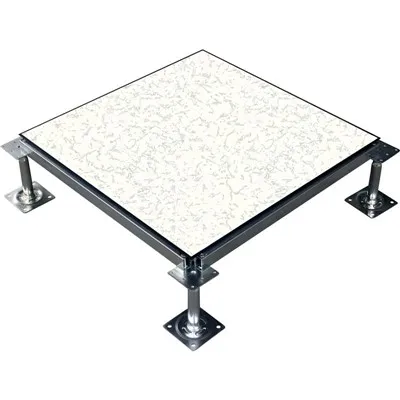
You know, high load raised access flooring systems are like the unsung heroes in many commercial and industrial settings. They’re not just there to look good or to give you a bit of extra space under your feet. One of their key jobs is to help get rid of all that excess heat.
Let’s start with the basics. How does heat build up in the first place? Well, in places like data centers, servers are constantly running. They’re processing tons of data 24/7, and all that activity generates a whole lot of heat. If this heat isn’t managed properly, it can lead to some serious problems. Servers can overheat, which can cause malfunctions, data loss, and even hardware failures. And that’s a huge headache for any business.
So, how do our high load raised access flooring systems step in to solve this problem? The first thing to understand is the concept of airflow. These flooring systems are designed to create a plenum space beneath the floor. This plenum acts as a kind of air duct, allowing cool air to be circulated throughout the room.
The cool air is usually supplied from an air conditioning unit. It gets pumped into the plenum space under the floor. And here’s where the magic happens. The raised floor has perforated tiles. These tiles have small holes in them, which allow the cool air to escape from the plenum and rise up into the room. As the cool air moves up, it absorbs the heat generated by the servers and other equipment. Then, the warm air is drawn back into the air conditioning unit to be cooled again, and the cycle repeats.
But it’s not just about having perforated tiles. We’ve also got to make sure that the airflow is balanced. If the air is flowing too fast or too slow, it won’t work as effectively. That’s why we design our high load raised access flooring systems with the right amount of air permeability. We use advanced engineering techniques to calculate the optimal size and number of holes in the perforated tiles. This way, we can ensure that the cool air is distributed evenly throughout the room.
Another important factor in heat dissipation is the material used for the flooring. We use high – quality materials that are good conductors of heat or have low thermal resistance. For example, some of our floors are made with a combination of metal and composite materials. These materials can help transfer the heat from the equipment to the air more efficiently.
The metal part of the floor can act as a heat sink. It absorbs the heat from the equipment above and then releases it into the cool air flowing through the plenum. The composite materials, on the other hand, are lightweight and strong, which is perfect for high – load applications. They also help reduce the overall weight of the flooring system, making it easier to install and maintain.
We also pay attention to the layout of the room and the placement of the equipment. We work with our clients to design a floor plan that maximizes the heat dissipation. For example, we make sure that the servers are placed in an orderly manner, with enough space between them for the air to circulate. We also avoid blocking the perforated tiles with furniture or other objects. This ensures that the cool air can flow freely from the plenum to the equipment.
In addition to the basic airflow and material design, some of our high load raised access flooring systems come with additional features to enhance heat dissipation. For example, we have some floors that are equipped with fans. These fans can be installed in the plenum space to boost the airflow. They can help push the cool air through the perforated tiles more effectively, especially in areas where the air circulation might be a bit sluggish.
We also offer floors with built – in heating and cooling systems. These systems can be customized to meet the specific needs of the client. For example, in some cases, the heating system might be used to warm up the room during cold weather, while the cooling system works hard to keep the temperature down during hot weather.
Now, you might be thinking, "That all sounds great, but how do I know if your high load raised access flooring system is right for my needs?" Well, that’s where we come in. We have a team of experts who are always ready to help. We’ll come to your site, assess your requirements, and give you a detailed plan on how our flooring system can solve your heat dissipation problems.
Whether you’re running a small server room or a large – scale data center, we’ve got you covered. Our high load raised access flooring systems are designed to be flexible and adaptable. We can customize the size, shape, and features of the flooring to fit your specific space and needs.
And let’s not forget about the durability. Our floors are built to last. They can withstand heavy loads, foot traffic, and even the wear and tear of daily use in a busy environment. This means that you won’t have to worry about replacing the floor anytime soon, which is a huge cost – saver in the long run.
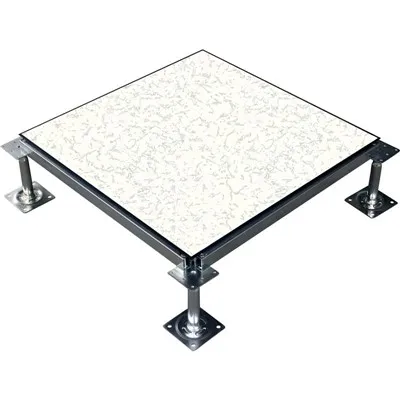
So, if you’re struggling with heat dissipation in your facility, don’t hesitate to contact us. We’re here to help you find the best solution for your business. Whether it’s improving the airflow, choosing the right materials, or adding some extra features, we’ve got the knowledge and experience to get the job done. Let’s work together to create a cooler, more efficient environment for your equipment and your staff.
Raised Panel Flooring References
- "Raised Floor Systems: Design and Installation Guide"
- "Thermal Management in Data Centers: Best Practices"
- "Materials Science for Flooring Applications"
Address: Wuyue Square, Wujin District, Changzhou, Jiangsu, China
E-mail: info@finecotech.com
WebSite: https://www.finecoglobal.com/
