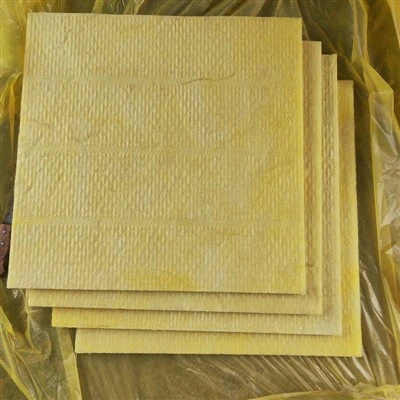
As a long – standing supplier of Aluminum Silicate Insulation, I’ve often been asked about its environmental friendliness. This question is not only crucial for customers who are environmentally conscious but also matters for the future of our industry. In this blog, I’ll delve into various aspects of Aluminum Silicate Insulation to determine its green credentials. Aluminum Silicate Insulation
Composition and Manufacturing Process
Aluminum Silicate Insulation is primarily composed of aluminum oxide (Al₂O₃) and silicon dioxide (SiO₂). These are naturally occurring substances found in abundance in the earth’s crust. Aluminum oxide is a common compound that can be sourced from bauxite, while silicon dioxide is the main component of sand.
The manufacturing process of Aluminum Silicate Insulation involves melting these raw materials at high temperatures and then using various fiber – forming techniques. Compared to some other insulation materials, this process does not involve the use of highly toxic chemicals. For example, the production of some traditional polyurethane insulation may involve the use of harmful isocyanates. Though the melting process for Aluminum Silicate Insulation requires energy, the energy – efficiency performance of the final product can offset the initial energy input over its lifespan.
Energy Efficiency and Environmental Impact
One of the most significant environmental benefits of Aluminum Silicate Insulation is its excellent thermal insulation properties. By installing Aluminum Silicate Insulation in buildings, industrial facilities, and transportation systems, the need for heating and cooling is significantly reduced. In buildings, better insulation means less energy is required to maintain a comfortable indoor temperature. This directly translates into lower energy consumption and a decrease in greenhouse gas emissions associated with energy production.
In industrial settings, such as power plants and refineries, Aluminum Silicate Insulation helps to minimize heat loss from pipes and equipment. This leads to more efficient energy use within the plant, reducing the overall energy demand and corresponding environmental impact. According to a study by the International Energy Agency (IEA), improved insulation in buildings and industries can contribute to a substantial reduction in global energy – related carbon dioxide emissions.
Durability and Long – Term Environmental Sustainability
Aluminum Silicate Insulation is known for its durability. It can maintain its insulating properties over a long period, which is an important factor in environmental sustainability. A long – lasting insulation material means less frequent replacement. When compared to some other insulation materials that may degrade quickly and need to be replaced every few years, Aluminum Silicate Insulation reduces the amount of waste generated.
For instance, some types of fiberglass insulation may lose their effectiveness over time due to settling or moisture absorption. This degradation not only compromises energy efficiency but also means that new insulation needs to be installed, leading to increased waste. In contrast, Aluminum Silicate Insulation can withstand high temperatures, chemical corrosion, and physical stress, maintaining its performance for decades.
Health and Safety Considerations
When it comes to environmental friendliness, health and safety are integral parts of the equation. Aluminum Silicate Insulation is generally considered to be a safe material. It is non – combustible, which reduces the risk of fire compared to some organic insulation materials like polystyrene foam.
In terms of potential health hazards, modern Aluminum Silicate Insulation products are designed to minimize the release of fibers into the air. Proper installation and handling procedures can further reduce any potential exposure. Regulatory bodies have set strict standards for the allowable fiber emissions from insulation materials, and reputable suppliers ensure that their Aluminum Silicate Insulation products meet these requirements. This means that the risk of inhalation of harmful fibers, which could potentially cause respiratory problems, is low when using and handling Aluminum Silicate Insulation correctly.
Recycling and Waste Management
Recycling is an important aspect of environmental friendliness. Aluminum Silicate Insulation can be recycled, although the recycling process can be complex. Due to its high – temperature resistant nature, it requires specialized recycling facilities. However, with the growing demand for sustainable practices, the development of recycling technologies for Aluminum Silicate Insulation is advancing.
When it comes to waste management, if for some reason the Aluminum Silicate Insulation cannot be recycled, proper disposal methods ensure that it does not pose a significant environmental threat. It is an inert material, meaning it does not react with the environment in a harmful way unlike some chemically active waste materials.
Comparison with Other Insulation Materials
To better understand the environmental friendliness of Aluminum Silicate Insulation, it’s helpful to compare it with other common insulation materials. Fiberglass insulation, for example, is widely used due to its relatively low cost. However, fiberglass fibers can be easily released into the air during installation and handling, posing potential health risks. Additionally, fiberglass may not be as effective at high temperatures as Aluminum Silicate Insulation, which means it may need to be used in larger quantities or may not be suitable for certain high – heat applications.
Cellulose insulation, made from recycled paper, is often touted as an eco – friendly option. While it is made from a renewable resource, cellulose insulation is more prone to moisture damage and may require additional chemical treatments to prevent mold and fire. These chemicals can have an environmental impact.
Aluminum Silicate Insulation offers a balance between thermal performance, durability, and environmental impact. It may have a higher initial cost than some materials, but its long – term benefits in terms of energy efficiency and reduced waste make it an attractive option for environmentally conscious consumers.
Challenges and Areas for Improvement
Despite its many environmental advantages, Aluminum Silicate Insulation is not without challenges. As mentioned earlier, the recycling process is complex and currently not as widespread as it could be. This is an area where the industry needs to invest more resources to develop more efficient recycling technologies.
Another challenge is the perception of potential health risks associated with fiber inhalation. Although modern products have significantly reduced this risk, more efforts are needed to educate consumers and installers about proper handling and safety measures.
Conclusion
In conclusion, Aluminum Silicate Insulation can be considered an environmentally friendly insulation material. Its composition from natural substances, excellent energy – efficiency performance, durability, and relatively low health risks make it a sustainable choice for a wide range of applications. While there are challenges, such as the complexity of recycling and the need for more education, the overall environmental benefits outweigh these drawbacks.
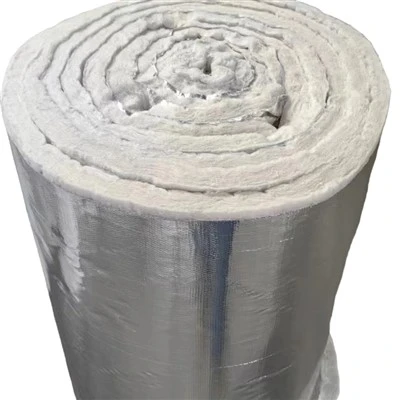
If you’re considering an insulation solution for your project, whether it’s a residential building, an industrial facility, or a transportation system, Aluminum Silicate Insulation is a great option to consider. We, as a supplier of Aluminum Silicate Insulation, are committed to providing high – quality products that meet your insulation needs while also being kind to the environment. If you have any questions or are interested in a purchase, feel free to reach out to us for further discussions and negotiations.
References
Fire Rated Duct Wrap International Energy Agency (IEA). "Energy Efficiency in Buildings and Industries." Annual Report.
Relevant industry reports on the environmental impact of insulation materials.
Langfang Yafeng Energy-Saving Technology Co., Ltd.
As one of the most professional aluminum silicate insulation manufacturers and suppliers in China, we’re featured by quality products and good price. Please rest assured to buy bulk premium aluminum silicate insulation for sale here from our factory. Welcome to view our website for more information.
Address: Langfang Xinyafeng, Liugezhuang Town, Dacheng County, Langfang City, Hebei Province
E-mail: yafengbaowen@gmail.com
WebSite: https://www.xyfinsulation.com/
