If you run an operation that relies on compressed air—whether it’s a manufacturing plant, an auto body shop, a food processing facility, or a packaging line—you already know how critical refrigerated air dryers are. Too much moisture in compressed air can corrode piping, damage sensitive pneumatic tools, contaminate products, and lead to unplanned downtime. As a refrigerated air dryer supplier, I’ve spent thousands of hours troubleshooting and optimizing dryers for customers across industries, and I’ve seen first-hand that a well-maintained, properly sized dryer doesn’t just last longer—it cuts energy costs and prevents a host of costly issues down the line. In this post, I’m going to share practical, science-backed strategies to optimize the performance of your refrigerated air dryer, drawn from real-world experiences with our clients and industry best practices. Refrigerated Air Dryer
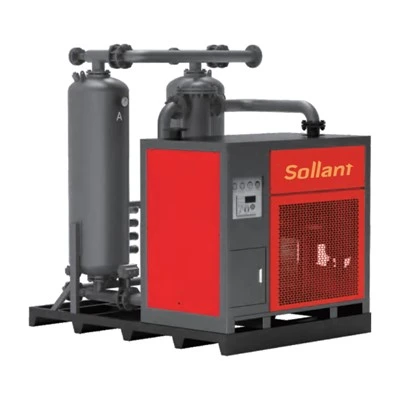
First, let’s ground this in how a refrigerated air dryer works, because optimization starts with understanding the basics. Most standard refrigerated dryers use a vapor-compression refrigeration cycle to cool compressed air to between 35°F and 50°F (1.7°C and 10°C). At these temperatures, water vapor condenses into liquid, which is then removed via a condensate separator and drain. The dry air is then reheated slightly before being sent to your system to prevent condensation in the piping. The biggest culprits of poor performance here are usually related to airflow, temperature, and maintenance that’s either neglected or done incorrectly.
Let’s start with the most impactful step: ensure proper dryer sizing. This is where so many clients go wrong. A common mistake is purchasing a dryer that’s too small to handle peak compressed air demand. When demand spikes—say, during a production shift change or when multiple machines run at once—a undersized dryer can’t cool the air enough, leading to higher pressure dew points (meaning more moisture stays in the air) and overworked components that wear out faster. The flip side is a dryer that’s too large for your average demand, which wastes energy cycling on and off unnecessarily. As a supplier, I often work with clients to calculate their actual compressed air load: not just their baseline demand, but peak demand, and future growth. We use a simple formula that combines flow rate (in cfm, or cubic feet per minute), inlet air temperature, ambient temperature, and required pressure dew point to size the dryer correctly. For example, a client in the wood products industry once installed an undersized dryer that was struggling to keep dew points below 40°F during their night shift, when all their saws and conveyors ran at full capacity. After we re-evaluated their load and sized a dryer 20% larger to handle peak demand, their dew point stabilized, energy use dropped by 12%, and they didn’t have to replace the compressor’s air intake filter as often because of moisture-related clogs.
Next, control inlet and ambient temperatures. Refrigerated dryers operate best when their inlet compressed air is between 100°F and 150°F (37.8°C and 65.6°C), and ambient air around the dryer is between 60°F and 100°F (15.6°C and 37.8°C). If inlet air is too hot—say, over 150°F—the dryer’s refrigeration system has to work harder to cool it down, which increases energy use and can cause the compressor in the dryer to overheat and fail prematurely. For ambient temperatures, if the dryer is placed in a hot, poorly ventilated area (like a basement, a corner of a warehouse with no airflow, or near a heat source like a boiler or compressor), the condenser can’t reject heat effectively. This forces the refrigeration cycle to run at higher pressures, wasting energy and reducing cooling capacity. I recently had a client in a food processing plant who had their dryer tucked next to a 500-hp air compressor, which emitted constant hot air. Their dryer’s pressure dew point was hovering at 45°F, even though it was rated for 35°F, and their energy bills for the dryer were 20% higher than industry averages. We moved the dryer to a well-ventilated area near an exterior wall, added a simple exhaust duct to pull in cool outside air, and within a month, their dew point dropped to 36°F, and their energy use for the dryer went down by 18%. It’s a small change that makes a huge difference—no new equipment needed, just thoughtful placement.
Then, maintain proper airflow across the heat exchangers. The heat exchangers in a refrigerated air dryer (the one that cools the incoming compressed air and the one that reheats the outgoing dry air) rely on consistent, unobstructed airflow to work efficiently. Over time, dust, dirt, oil mist, and even lint from manufacturing processes can build up on the finned surfaces of these exchangers, creating an insulating layer that prevents heat from transferring. This means the dryer has to run longer to reach the desired dew point, and it can’t remove moisture as effectively. The fix here is regular cleaning: for air-cooled condensers (the part that rejects heat to ambient air), we recommend a gentle rinse with low-pressure water every 3 to 6 months, depending on your environment. For the plate-fin heat exchangers that handle compressed air, use compressed air (at low pressure, to avoid bending fins) to blow out debris every 6 to 12 months. I had a client in the textile industry who skipped cleaning their heat exchangers for two years. When we inspected them, the fins were caked with lint, and the heat transfer efficiency had dropped by 30%. After cleaning, their dryer was back to its original performance, and they saw a 10% reduction in energy use immediately. Also, make sure there are no obstructions in the air lines leading to and from the dryer—undersized piping or sharp bends can create pressure drops that reduce airflow, putting extra strain on the dryer.
Condensate management is another often-overlooked area that directly impacts performance. The liquid water that’s separated from the compressed air has to be drained efficiently, and if the drain is clogged, malfunctioning, or sized incorrectly, the liquid can get carried back into the dry air stream, ruining the dehumidification process. Many older dryers use timer-based drains that drain on a fixed schedule, regardless of how much condensate is actually present. This wastes energy by draining air along with water when the cycle is too short, or it lets too much condensate build up when the cycle is too long. The solution is to install automatic, level-controlled condensate drains. These drains only open when liquid is present, so they remove water without wasting compressed air. As a supplier, we’ve seen clients switch from timer drains to level drains and reduce their compressed air waste by up to 5%, not to mention eliminating carryover moisture. Also, never plumb condensate drains directly into compressed air piping or into floor drains where they can back up—make sure the drain is properly trapped and routed to a safe disposal point, to prevent contaminated water from being drawn back into the system.
Another key strategy is to implement a regular maintenance schedule that’s tailored to your specific operation. Too many clients wait until their dryer breaks down to do anything, but preventive maintenance catches small issues before they become big, costly problems. Here’s a simple checklist we recommend, adjusted for how dusty or hot your environment is: every month, check drain function, inspect inlet and outlet air temperatures, and verify pressure dew point with a reliable moisture tester. Every quarter, clean air filters (both the dryer’s inlet air filter and the compressed air pre-filter, if you have one), inspect heat exchanger fins, and check refrigerant levels (you’ll need a certified technician for this, but it’s important—low refrigerant levels can be a sign of a leak that reduces cooling capacity). Every year, have a professional check the compressor in the dryer, tighten electrical connections, and calibrate any controls. I can’t tell you how many times a small refrigerant leak has been the cause of poor dew point performance. A client in the pharmaceutical industry once had their dryer’s dew point jump to 55°F, which put their sterile packaging process at risk. We found a tiny pinhole leak in the refrigerant line that had been causing the unit to run at half capacity. After repairing the leak and recharging the refrigerant, their dew point was back to 35°F, and they avoided a potential shutdown that could have cost them tens of thousands of dollars.
One more thing: consider adding auxiliary components that complement your refrigerated air dryer, especially if you have extreme operating conditions. For example, if your inlet compressed air is consistently over 150°F, an aftercooler before the dryer can cool the air down to the optimal range, taking strain off the refrigerated dryer. If you need a very low pressure dew point (below 35°F) for sensitive applications like painting or electronics manufacturing, partnering a refrigerated dryer with a desiccant dryer can give you consistent dry air, but even then, the refrigerated dryer should be optimized first—most of the moisture is removed in the refrigerated stage, so the desiccant only handles the remaining small amount, reducing wear on the desiccant. We also recommend installing a dew point monitor that sends real-time data to your facility’s control system; this lets you spot performance drops immediately, instead of waiting for a problem to show up in your production process. A client in the automotive painting industry installed a dew point monitor after their dryer optimization, and they were able to adjust their load during a rainy week (when ambient humidity was high) to keep dew points steady, eliminating paint defects that had cost them thousands in rework before.
Now, let’s talk about common myths I hear all the time as a supplier. The first is: “My dryer is new, so it doesn’t need maintenance.” That’s not true—even new dryers get dirty, have manufacturing defects, or need calibration right out of the box. Another myth is: “Running the dryer at full capacity all the time is best.” No, if your load is lower, the dryer’s cycling control should adjust automatically to save energy, but only if the controls are functioning properly. And don’t ignore the air compressor itself—if your compressor is not working efficiently, it’s producing hotter, more humid air that makes your dryer work harder, so optimizing the compressor goes hand in hand with optimizing the dryer.

At the end of the day, optimizing your refrigerated air dryer isn’t about buying fancy new equipment every year. It’s about understanding how your system works, paying attention to small details, and staying consistent with maintenance. The clients who see the biggest improvements don’t just call when something breaks—they partner with suppliers to audit their system regularly, adjust for changing conditions, and invest in small, impactful upgrades. If you’re struggling with high energy bills, inconsistent dew points, or unplanned downtime related to your compressed air moisture, we’re here to help. We don’t believe in one-size-fits-all solutions, so we’ll work with you to audit your current system, identify gaps, and recommend strategies that fit your specific operation, whether that’s adjusting dryer placement, updating drains, or sizing a new dryer that fits your load. Don’t let moisture or inefficient dryer performance hold your production back—reach out to start a conversation about optimizing your system today.
Filter and Separator Series References
Compressed Air and Gas Institute. (2019). Refrigerated Air Dryers: Operation and Maintenance Guidelines. CAGI Publications.
Peccia, J., & Zimmerman, J. (2021). Energy Efficiency in Compressed Air Systems: A Review of Industry Best Practices. International Journal of Energy Research.
Air Movement and Control Association International. (2020). Guide to Heat Exchanger Maintenance for Industrial Refrigeration Systems. AMCA Standards.
Shanghai Sollant Energy Saving Technology Co., Ltd.
As one of the most professional refrigerated air dryer manufacturers and suppliers in China, we’re featured by quality products and good service. We warmly welcome you to buy bulk advanced refrigerated air dryer from our factory. If you have any enquiry about cooperation, please feel free to email us.
Address: No.215, Songri Center, Beihongqiao, Jiading District, Shanghai, China
E-mail: info4@sollant.com
WebSite: https://www.sollanttreatment.com/
