If you’ve ever worked in agriculture, horticulture, or industrial chemical supply, you’ve definitely run into the abbreviation MCPA. For years, I’ve heard everyone from small-scale vegetable farmers to large commercial orchard managers toss it around in trade shows, over phone calls, and in field meetings—and I’ve also seen a lot of confusion about what the letters actually stand for. A lot of folks guess “methyl chlorophenoxy acetic acid” off the top of their heads, and while that’s close, there’s a little more nuance that matters for anyone sourcing or using this chemical. As a third-generation chemical supplier specializing in agrochemicals and industrial intermediate materials, I’ve spent 15 years walking farmers, formulators, and agronomists through the details of our products—and MCPA is one I field more questions about than almost any other. Today, I want to break down its full form, what that means for how it’s used, and why partnering with a reliable supplier makes all the difference when you’re working with it. MCPA
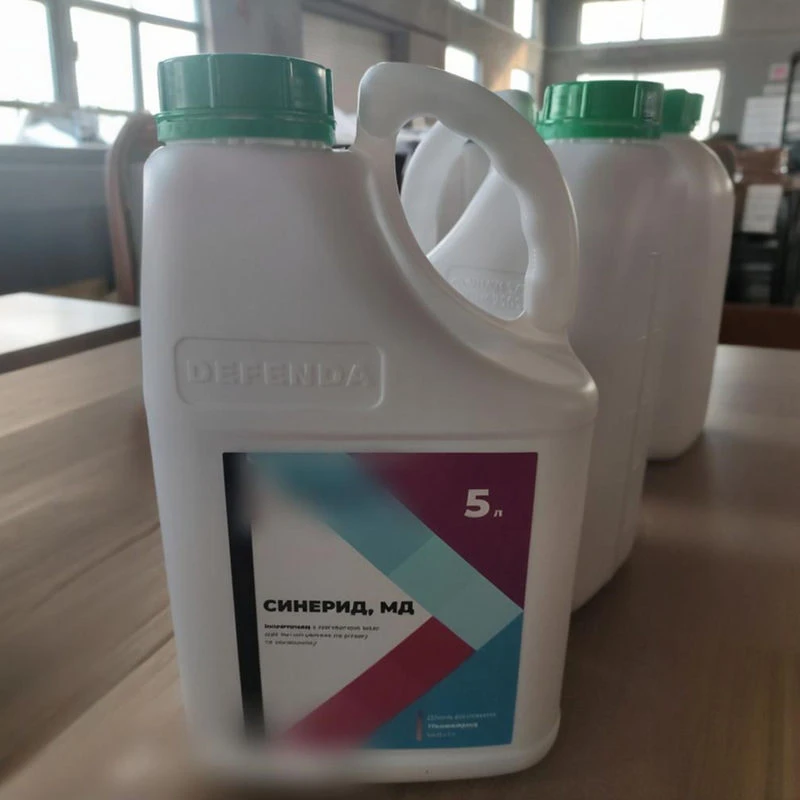
Let’s start at the basics. The full, formal name of MCPA is 2-Methyl-4-chlorophenoxyacetic acid. That’s the IUPAC name, the standardized naming system chemists use to avoid confusion across countries and languages. A lot of people shorten that to “methyl chlorophenoxy acetic acid” in casual conversation, which is understandable—but the extra details in the full form matter. The “2-methyl” tells you where a methyl (-CH3) group is attached on the benzene ring, and “4-chloro” marks the position of a chlorine atom; those specific placements are what make MCPA effective as a herbicide, instead of other similar compounds like 2,4-D. That precision isn’t just lab jargon—it’s why when a farmer says they need MCPA, they’re not asking for a random phenoxy acid; they’re asking for a product calibrated to target specific weeds without damaging their crops.
Back when I started in this business in 2008, MCPA was already a household name for herbicides, but it’s come a long way since its development in the 1940s, right around the same time as 2,4-D. Unlike the broad-spectrum, sometimes harsh 2,4-D, MCPA was designed to be more selective—perfect for small grain crops like wheat, barley, and oats, as well as for pastures, lawns, and non-crop areas like road sides and irrigation ditches. My grandfather, who founded our supply company back in 1992, first started carrying MCPA because local farmers kept asking for a product that could get rid of tough broadleaf weeds like dandelions, thistles, and chickweed without killing their cereal crops. Early on, we sourced it from a small regional manufacturer, but as demand grew and regulations around agrochemicals tightened, we shifted to working with facilities that follow strict global safety and quality standards. That hands-on experience is why I can tell you, not just from textbooks, that MCPA is one of those rare chemicals that balances effectiveness with relative safety when used correctly.
Now, let’s get into what makes MCPA work, because that’s part of why its full form is more than just a string of letters. As a synthetic auxin, it mimics indole-3-acetic acid (IAA), a natural plant hormone that regulates growth. When a plant takes in MCPA—usually through its leaves—it disrupts normal growth patterns, leading to uncontrolled cell division, twisted stems, stunted root growth, and eventually death. The selectivity I mentioned earlier comes down to how different plants metabolize MCPA. Broadleaf weeds can’t break down the chemical, so it builds up and kills them. Grasses, on the other hand, have enzymes that neutralize MCPA, so it doesn’t harm them. That’s why MCPA is still a go-to for cereal farmers today, even with all the new herbicide options on the market.
Over the years, I’ve noticed that a lot of new agronomists and young farmers don’t realize MCPA isn’t just for crop fields. We supply a lot of it to municipal governments for roadside weed control, and to turf grass suppliers for golf courses and residential lawns. Last year, I worked with a course superintendent in Ohio who was struggling with thistle infestations on their roughs; they’d tried a few newer, more expensive herbicides that worked temporarily but didn’t get to the root of the problem. We recommended a low-rate application of MCPA ester, and by the next growing season, their roughs were almost entirely free of thistles, without any damage to the Kentucky bluegrass and fescue they used. That’s the kind of result that keeps our customers coming back, and it all ties back to understanding what MCPA is, how it works, and how to use it correctly.
Of course, like any agrochemical, MCPA comes with responsibilities. When we talk about its full form, we’re not just talking about chemistry—we’re talking about a product that needs to be handled with care, stored properly, and applied according to local regulations. That’s why at our company, we don’t just sell MCPA; we provide full documentation for every shipment, including SDS (Safety Data Sheets) that walk customers through proper handling, storage, and disposal, plus application guidelines tailored to their specific use case. A big mistake a lot of new farmers make is buying the cheapest MCPA they can find, only to realize it’s not formulated correctly or it doesn’t meet purity standards. Over the past decade, we’ve had customers come to us after a bad experience with a cheap import—weed control that was inconsistent, or even damage to their crops because the product had impurities. That’s why we only source MCPA from facilities that are registered with global regulatory bodies, like the EPA in the U.S., the EFSA in the EU, and other regional agencies, so our customers can trust every batch they get from us.
Another point people often ask me about is the different formulations of MCPA. You’ll hear terms like MCPA amine, MCPA ester, and MCPA sodium salt—these are all different salt or ester forms of the full 2-Methyl-4-chlorophenoxyacetic acid. The amine form is more water-soluble, which makes it good for mixing with spray tanks for field applications. The ester form is more volatile, so it’s often used for non-crop areas, though it requires more care to avoid drift onto sensitive plants. The sodium salt is a fine powder, used for both industrial applications and some home garden products. As a supplier, we help our customers choose the right formulation for their needs—we don’t just hand over a bucket of chemical and send them on their way. Last year, I worked with a small organic vegetable farmer who needed MCPA for their cover crop mix; they were worried about volatility harming their future tomato plants, so we recommended the amine formulation and walked them through application rates and timing to minimize drift. That’s the kind of personalized support that sets a good supplier apart, especially when working with products as versatile as MCPA.
I also want to touch on the future of MCPA, because I know a lot of people are talking about sustainable agrochemicals these days. While there is a push for biological weed control and regenerative farming, MCPA still plays a critical role in global food production. The Food and Agriculture Organization (FAO) reports that herbicides like MCPA help reduce crop losses by up to 40% in small grain systems, which is essential for feeding a growing global population. At our company, we’ve invested in improving our manufacturing processes to reduce waste and emissions, and we work with our suppliers to source MCPA that meets low environmental impact standards. We also support customers who are looking to integrate MCPA into an integrated pest management (IPM) plan, combining it with cultural practices like crop rotation and cover cropping to reduce reliance on any single chemical. That’s the balance we strive for: providing effective, safe products while also supporting sustainable farming practices.
Back to the original question: why does the full form of MCPA matter beyond a chemistry quiz? For me, it’s about understanding the product you’re working with, so you can use it effectively and safely. When a farmer knows that MCPA is 2-Methyl-4-chlorophenoxyacetic acid, they can look up its properties, compatibility with other products, and application best practices. When a formulator knows the exact chemical structure, they can mix it correctly to avoid unwanted reactions. For our team as a supplier, knowing that full form is part of our promise to our customers: we’re not just selling a commodity, we’re selling a product that’s backed by chemistry, regulation, and years of real-world use.
Over the 15 years I’ve been in this business, I’ve met hundreds of customers who rely on MCPA to keep their fields productive, their landscapes healthy, and their businesses running. I’ve seen small-scale farmers expand because they could control weeds without damaging their crops, municipal teams save money by using a reliable herbicide that works on tough vegetation, and homeowners get their lawns looking like they want without resorting to harmful chemicals when used correctly. But none of that would be possible if we didn’t understand what MCPA actually is, beyond the three letters everyone tosses around. It’s more than an abbreviation—it’s a tool that’s been a workhorse for agriculture for decades, and it will continue to be for years to come, as long as we use it responsibly and source it from a trusted supplier.

If you’re a farmer, formulator, agronomist, or anyone who works with agrochemicals or industrial intermediate materials and need a reliable supplier of high-quality MCPA, we’re here to help. We can provide detailed information on formulations, application guidelines, regulatory compliance, and batch certifications to meet your specific needs. Whether you’re placing a small order for a single farm or a bulk shipment for a large industrial project, our team has the experience and expertise to support you every step of the way.
Fungicides References
- United States Environmental Protection Agency. (2022). Pesticide Fact Sheet: MCPA.
- Food and Agriculture Organization of the United Nations. (2019). Phenoxy Herbicides in Global Agriculture: Efficacy, Safety, and Sustainability.
- IUPAC. (2021). Nomenclature of Organic Chemistry: IUPAC Recommendations and Preferred Names.
- European Food Safety Authority. (2020). Conclusion on the peer review of the pesticide risk assessment for the active substance MCPA.
- Agrochemical Supply Association. (2021). Best Practices for Handling and Applying Phenoxy Acid Herbicides.
Changzhou Dayilong Bio-Tech Co., Ltd.
With abundant experience, we are one of the most professional mcpa manufacturers and suppliers in China. Please rest assured to buy bulk high quality mcpa made in China here from our factory. Good service and reasonable price are available.
Address: Hundsun Science & Technology Park 3-1, BeiTangHe Road 8, Tianning District, Changzhou City, Jiangsu, China
E-mail: Sales@dayilongbio-tech.com
WebSite: https://www.dayilongagro-chemical.com/
